

 Call Us 01803 559028


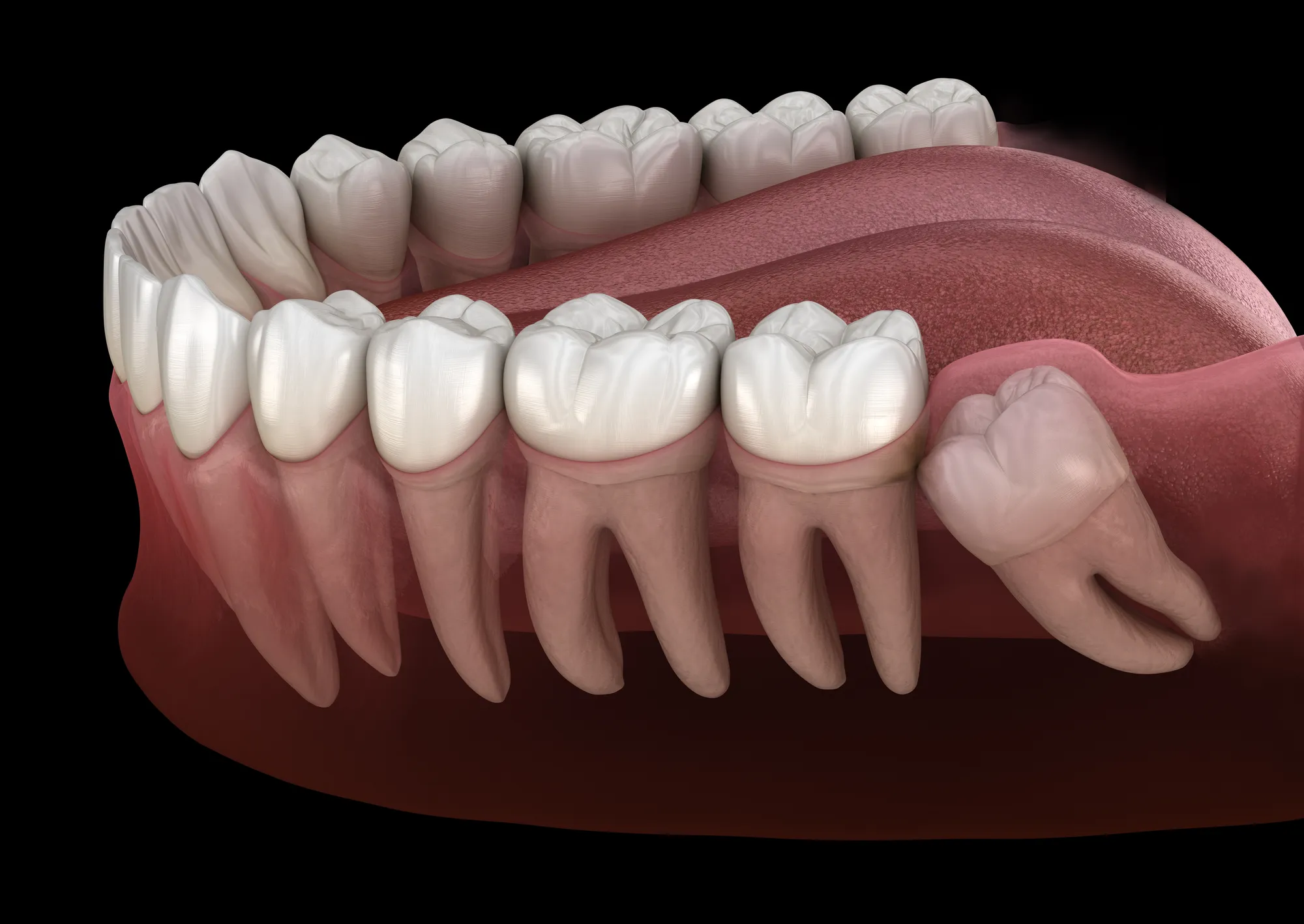
Surgical Tooth Extraction
A surgical tooth extraction is a dental procedure used to remove a tooth when it cannot be removed easily using a routine extraction technique.
A surgical tooth extraction is a dental procedure used to remove a tooth when it cannot be removed easily using a routine extraction technique. Rather than removing the tooth directly through the existing opening, the dentist may need to create additional access to the tooth.
Depending on the tooth and its position, this may involve making an incision in the gum, gently moving the surrounding tissue, removing a small amount of bone or dividing the tooth into sections before removing it. The approach used depends on the individual tooth and the surrounding structures.
Surgical extraction is sometimes needed for teeth that are broken below the gum line, have difficult root shapes or are positioned in a way that limits access. Wisdom teeth can also require surgical extraction, particularly when they are impacted or only partially erupted.
Your dentist will assess the tooth and explain why a surgical approach may be appropriate, what the procedure involves and what you can expect during recovery.
Why Might a Tooth Need Surgical Extraction?
A surgical approach may be considered when a tooth cannot be removed appropriately using a routine extraction technique.
This can occur when:
- The tooth has broken close to or below the gum line
- The roots have a shape or position that makes removal more involved
- Part of the tooth is covered by gum tissue
- The tooth is partially or completely covered by bone
- Access to the tooth is limited
- The tooth has fractured during an extraction
- The position of the tooth makes conventional removal difficult
These factors do not automatically mean that surgery will be required. Your dentist will assess the tooth and surrounding structures before deciding which approach may be appropriate.
What Is Involved in a Surgical Extraction?
The procedure varies according to the tooth being removed.
The area is usually numbed with local anaesthetic before treatment. Once the area is adequately numb, your dentist may make a small incision in the gum to gain access to the tooth.
If necessary, a small amount of bone may be removed to expose the tooth. A tooth that is difficult to remove in one piece may also be divided into smaller sections. These sections can then be removed individually.
After the tooth has been removed, the area may be cleaned and the gum repositioned. Stitches may be placed depending on the procedure.
Your dentist will explain the steps that are relevant to your extraction before treatment begins.
What Happens Before Surgical Extraction?
An assessment is carried out before the procedure to understand the tooth's condition and position.
Your dentist will examine the tooth, surrounding gums and other relevant areas of your mouth. An X-ray may be recommended where appropriate to assess the roots, surrounding bone and nearby anatomical structures.
Your dental and medical history may also be discussed. Tell your dental team about any medicines you take and any relevant health conditions or previous reactions to dental treatment.
This information helps your dentist plan the procedure and discuss any factors that may need to be considered.
Will I Be Awake During the Procedure?
Surgical extraction is commonly carried out using local anaesthetic, which numbs the area being treated while you remain awake.
You may notice pressure, movement or vibration during the procedure, even though the area is numb. Your dentist will monitor you during treatment and can respond if you experience discomfort.
For some patients or particular procedures, other forms of anxiety or pain management may be discussed. If you feel nervous about the procedure, tell your dental team before treatment so your concerns can be addressed.
Does Surgical Extraction Always Involve Removing Bone?
No. The amount of access required depends on the tooth.
Some surgical extractions may require an incision in the gum without the need to remove bone. In other cases, removing a small amount of surrounding bone may be necessary to access the tooth.
Your dentist will determine the technique based on the position and condition of the tooth.
Can the Tooth Be Divided During Extraction?
Sometimes. If a tooth has several roots or its position makes removal in one piece difficult, the dentist may divide it into sections.
Removing the sections separately can allow the dentist to access and remove the tooth according to its individual anatomy.
This is a planned technique that may be used as part of a surgical extraction. Your dentist can explain whether sectioning is likely to be considered for your particular tooth.
What Happens Immediately After the Extraction?
Once the tooth has been removed, your dentist will manage the extraction site according to the procedure performed. Stitches may be placed where appropriate.
You may be asked to bite gently on gauze for a period of time to help manage bleeding from the extraction site.
Your dental team will provide instructions about caring for the area, eating and drinking, cleaning your mouth and other aspects of recovery.
Follow the specific instructions provided by your dentist, as aftercare can vary depending on the procedure.
What Is Recovery Like?
Some tenderness, swelling or bruising can occur following a surgical extraction. The extent and duration can vary depending on the tooth, the procedure and individual factors.
Your dentist will explain what you may notice during the initial healing period and provide appropriate aftercare guidance.
If you develop significant bleeding, increasing swelling, worsening pain, fever or another symptom that concerns you, contact your dental practice for advice.
What Should I Avoid After Surgical Extraction?
Your dentist will provide specific instructions based on your procedure. You may be advised to avoid activities that could disturb the extraction site during the early healing period.
You may also receive guidance about:
- Eating and drinking
- Cleaning your teeth around the extraction site
- Physical activity
- Smoking or vaping
- Alcohol
- Managing discomfort
- Looking after any stitches
Do not place objects into the extraction site or attempt to remove anything from it yourself.
How Is Surgical Extraction Different From a Complex Extraction?
The terms can sometimes overlap, but they describe different aspects of treatment.
A complex extraction refers to a tooth that presents additional difficulty because of factors such as its condition, position, root shape or access.
A surgical extraction refers to the technique used when additional surgical access is needed to remove the tooth.
Therefore, a complex extraction may not always require surgery, while a surgical extraction involves a surgical approach to access or remove the tooth.
Your dentist can explain how your particular extraction has been classified and why a specific technique is being recommended.
Frequently Asked Questions
What Is a Surgical Tooth Extraction?
A surgical tooth extraction is a procedure used to remove a tooth when additional access may be needed. Depending on the tooth, the dentist may make an incision in the gum, remove a small amount of surrounding bone or divide the tooth into sections before removing it. The exact technique depends on the tooth's position, condition and surrounding anatomy. Your dentist will explain the proposed approach before treatment.
Is Surgical Extraction Painful?
Local anaesthetic is commonly used to numb the area during surgical extraction. You may notice pressure, movement or vibration during the procedure, but you should tell your dentist if you experience pain or significant discomfort. Once the anaesthetic wears off, the extraction area may feel tender or swollen. Your dental team will provide appropriate aftercare instructions and advice about managing discomfort.
How Long Does a Surgical Tooth Extraction Take?
The appointment time varies depending on the tooth and the procedure required. A tooth with limited access or a more complex root structure may require more treatment time than a tooth that is easier to access. Your dentist can give you an indication of the expected appointment length after examining the tooth and reviewing any necessary X-rays.
Will I Need Stitches After Surgical Extraction?
Stitches may be used depending on how the tooth is accessed and how the extraction site is managed. Some surgical extractions may require the gum to be repositioned after the tooth has been removed. Your dentist will explain whether stitches are likely to be needed and provide instructions about caring for them during the healing period.
When Should I Contact My Dentist After a Surgical Extraction?
Some tenderness and swelling can occur after surgical extraction. However, contact your dental practice if you experience significant or persistent bleeding, increasing swelling, worsening pain, fever or another symptom that concerns you. Your dentist can assess your symptoms and advise whether further care is needed. If you have been given specific emergency or out-of-hours instructions, follow those provided by your dental team.
Surgical Tooth Extraction at GreenTree Dental & Implant Clinic
If your dentist has recommended surgical extraction, GreenTree Dental & Implant Clinic can assess the tooth and explain the proposed procedure. Your dentist can discuss why additional access may be needed, how the extraction is expected to be approached and what you should know about caring for the area afterwards. Every extraction is different, so your treatment plan and aftercare instructions will be based on your individual circumstances.
Ready for a Healthier, Happier Smile?
Book today and spread the cost of your treatment with 0% APR finance.
Subject to status. UK residents aged 18+. Minimum and maximum spend applies. T&Cs apply.


Contact Us
Have a question or ready to book your consultation? Our friendly reception team is here to help.
Opening Hours
Send Us a Message
We usually reply within one working day.
Visit Us
GreenTree Dental & Implant Clinic
31 Hyde Road, Paignton, Devon TQ4 5BP
Call Us
01803 559028Opening Hours
Monday to Friday: 8:30am–5:30pm
Saturday and Sunday: Closed


