 Call Us 01803 559028


Veneer Recementing
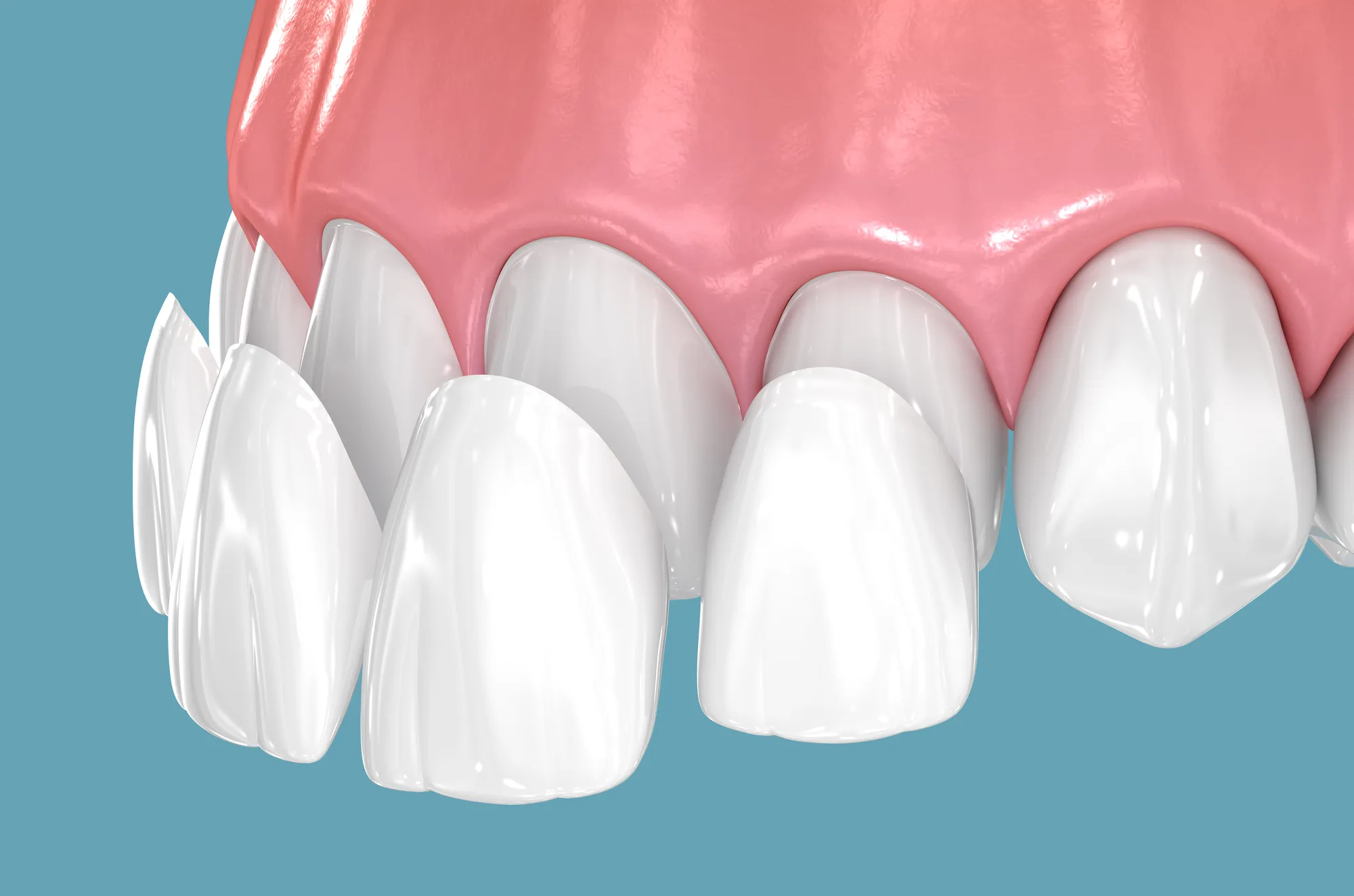
In some cases, an existing veneer may be suitable for recementation, depending on its condition, the underlying tooth and the reason it has become detached.
If a dental veneer has become loose or has come away from the tooth, it is important to have it assessed by a dentist. In some cases, an existing veneer may be suitable for recementation, depending on its condition, the underlying tooth and the reason it has become detached.
At GreenTree Dental & Implant Clinic, we can examine the veneer and the tooth underneath it to determine whether recementation is appropriate or whether another treatment is needed.
Why Might a Veneer Need Recementing?
A veneer can become loose or detach for several reasons, including:
- The bonding material has weakened
- The veneer has been exposed to excessive biting forces
- Teeth grinding or clenching has affected the restoration
- The veneer or underlying tooth has been damaged
- Changes have occurred to the tooth beneath the veneer
- The veneer has become loose during eating or other everyday activities
A loose veneer does not automatically mean that a completely new veneer is required. Your dentist will assess both the restoration and the underlying tooth before recommending treatment.
What Happens When a Veneer Becomes Loose?
If your veneer has become loose or has fallen off, keep it safe and contact the practice for an appointment.
Your dentist will examine the veneer for cracks, chips or other damage and assess the tooth underneath it. The surrounding gums and your bite may also be checked.
If the veneer is intact, fits appropriately and the tooth is suitable, it may be possible to clean and prepare the surfaces before recementing or rebonding the veneer.
If the veneer is damaged or the underlying tooth requires treatment, your dentist will discuss the appropriate alternatives with you.
Can Every Veneer Be Recemented?
Not every veneer that has come loose can simply be recemented. The condition of the veneer, the bonding surfaces and the underlying tooth all need to be considered.
If the veneer is cracked, damaged or no longer fits correctly, replacement may be recommended. Similarly, if the tooth underneath has developed decay, damage or another problem, this may need to be treated before a new restoration is placed.
Your dentist will explain the findings and available options before proceeding with treatment.
What Should You Do If Your Veneer Falls Off?
If your veneer comes loose or falls off:
- Keep the veneer safe and bring it to your appointment.
- Avoid biting hard foods with the affected tooth.
- Keep the tooth clean.
- Do not attempt to permanently glue the veneer back yourself.
- Contact the practice to arrange an assessment.
If you experience pain, sensitivity, swelling or another concern, let the dental team know when you contact the practice.
Looking After a Recemented Veneer
Once your veneer has been recemented or rebonded, good oral hygiene remains important. Brush twice a day with fluoride toothpaste and clean between your teeth regularly.
Avoid using the veneered tooth to bite hard objects or foods that could place excessive force on the restoration. If you grind or clench your teeth, speak to your dentist, as this may affect your veneer.
Regular dental examinations allow your dentist to monitor the veneer, the underlying tooth and your overall oral health.
If the veneer becomes loose again, feels different or causes discomfort, contact the practice for further assessment.
Frequently Asked Questions
Can I Fix a Loose Veneer Myself at Home?
No. Please do not attempt to permanently glue the veneer back yourself. Keep it safe and contact the practice so your dentist can assess the veneer and the tooth underneath.
Should I Bring My Veneer to the Appointment?
Yes. If your veneer has come off, keep it safe and bring it with you. Your dentist will examine it for cracks, chips or other damage as part of the assessment.
Does Grinding My Teeth Affect a Veneer?
It can. Teeth grinding or clenching is one of the factors that may affect a veneer, so let your dentist know if you grind or clench. They can advise you on this at your appointment.
Book a Consultation at GreenTree Dental & Implant Clinic
If your dental veneer has become loose or has fallen out, contact GreenTree Dental & Implant Clinic in Paignton. We can assess the veneer and the underlying tooth and determine whether recementation, replacement or another treatment is appropriate for you.
Ready for a Healthier, Happier Smile?
Book today and spread the cost of your treatment with 0% APR finance.
Subject to status. UK residents aged 18+. Minimum and maximum spend applies. T&Cs apply.


Contact Us
Have a question or ready to book your consultation? Our friendly reception team is here to help.
Opening Hours
Send Us a Message
We usually reply within one working day.
Visit Us
GreenTree Dental & Implant Clinic
31 Hyde Road, Paignton, Devon TQ4 5BP
Call Us
01803 559028Opening Hours
Monday to Friday: 8:30am–5:30pm
Saturday and Sunday: Closed


