

 Call Us 01803 559028


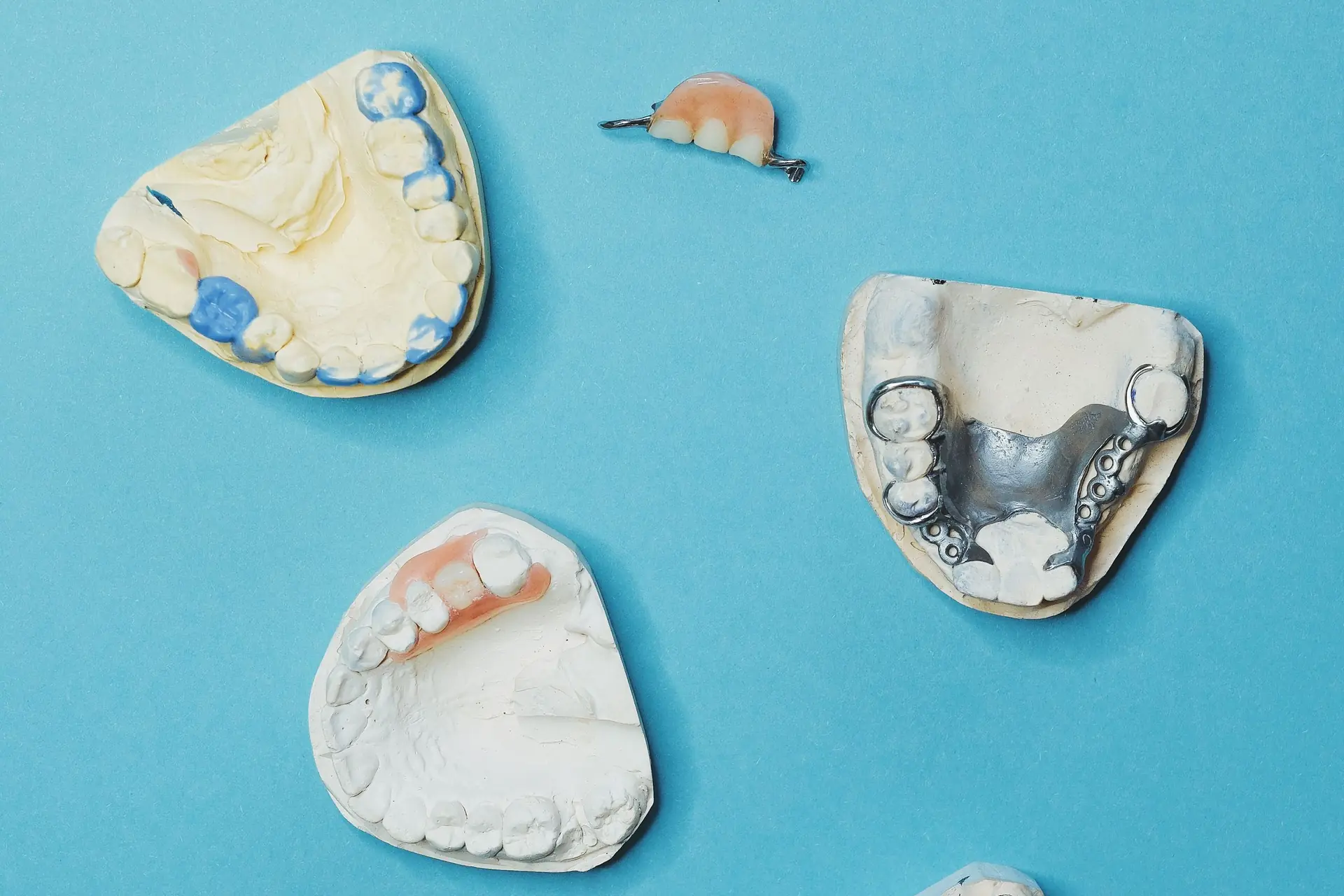
Partial Chrome Dentures
If you have lost some of your natural teeth but still have teeth remaining, a partial chrome denture may be one of the tooth replacement options available to you.
If you have lost some of your natural teeth but still have teeth remaining, a partial chrome denture may be one of the tooth replacement options available to you. It is a removable appliance that uses a metal framework to support replacement teeth and is designed around the natural teeth and tissues in your mouth.
At GreenTree Dental & Implant Clinic, your dentist can assess your remaining teeth, gums, bite and overall oral health before discussing whether a chrome partial denture is appropriate. The design is planned according to the areas where teeth are missing and the support available in your mouth.
What Is a Partial Chrome Denture?
A partial chrome denture is a removable dental appliance that incorporates a metal framework with artificial teeth attached to it. The framework is designed to work with the natural teeth that remain, with components of the denture providing support and retention according to its design.
Chrome partial dentures are different from acrylic partial dentures in their construction. The metal framework can be relatively thin in areas where the design permits, although the final design depends on the individual's mouth and clinical requirements.
A partial chrome denture can be used to replace one or several missing teeth. The number and position of the teeth being replaced, as well as the condition and position of the remaining teeth, will influence whether this type of denture is suitable.
When Might a Partial Chrome Denture Be Considered?
A partial chrome denture may be considered when several natural teeth remain and removable tooth replacement is being explored.
Your dentist will look at more than simply the spaces left by missing teeth. The assessment may include:
- The position and condition of your remaining teeth
- The health of your gums and supporting tissues
- The location and number of missing teeth
- Your bite and how your upper and lower teeth meet
- The available support for the denture
- Your ability to maintain good oral hygiene
- Your preferences regarding removable treatment
- Other tooth replacement options that may be appropriate
In some cases, the remaining teeth may need treatment before a partial denture can be provided. Your dentist can explain any recommended preparation and why it may be needed.
How Does a Chrome Denture Differ From an Acrylic Partial Denture?
Both chrome and acrylic dentures can be used as removable partial dentures, but they are constructed differently.
A chrome partial denture has a metal framework, while an acrylic partial denture uses an acrylic base. The choice between them depends on factors such as the pattern of tooth loss, the condition of the remaining teeth, available support, oral anatomy, treatment requirements and personal preferences.
Chrome dentures may involve a more complex framework design because the framework has to interact appropriately with the remaining teeth and oral structures.
This does not mean that a chrome denture is automatically the right option for everyone. Your dentist can compare suitable options and explain the practical differences before treatment is planned.
What Happens Before a Partial Chrome Denture Is Made?
A detailed assessment is an important part of planning a chrome denture.
Your dentist will examine your teeth and gums and assess the spaces created by missing teeth. They will also consider your bite and the position of your remaining teeth.
Depending on your circumstances, dental impressions, measurements, photographs, radiographs or other records may be required. These provide information for planning the framework and replacement teeth.
If any remaining teeth require treatment, this may need to be completed before the denture is made. Your dentist will discuss the sequence of treatment with you.
The design is then planned to provide appropriate support and retention based on the structures available in your mouth.
What Is the Chrome Denture Fitting Process Like?
Once the necessary records have been taken, the information is used to create the denture framework and replacement teeth.
There may be several appointments during the process. Depending on the treatment plan, your dentist may assess the developing appliance before the final denture is completed.
When the denture is ready, it will be placed in your mouth so that the fit and function can be checked. Your dentist will also assess how it interacts with your remaining natural teeth and opposing arch.
You will receive instructions on inserting and removing the denture correctly. It is important to follow these instructions rather than forcing the appliance into position, as incorrect handling may affect the denture or your teeth.
Adjustments may sometimes be required after fitting, particularly as you become accustomed to wearing the appliance.
What Is It Like to Wear a Partial Chrome Denture?
A new chrome denture may initially feel different from your natural teeth or from a previous denture. Your tongue and cheeks may need time to adapt to the appliance.
Speaking can feel different at first, particularly if the denture covers or rests near areas involved in speech. Eating with a removable partial denture may also require some practice.
The experience varies between individuals. If you notice persistent rubbing, soreness, movement or difficulty using the denture, contact your dentist. An assessment can help determine whether the appliance requires adjustment or whether another issue needs attention.
A partial denture should not be treated as a replacement for good oral hygiene. The remaining natural teeth continue to require regular cleaning and dental care.
How Should You Look After a Chrome Denture?
Looking after both the denture and your remaining natural teeth is important.
Your dental team will provide specific instructions for your appliance. These may include:
- Removing and cleaning the denture as advised
- Cleaning your natural teeth carefully around areas that contact the denture
- Cleaning the gums and other oral tissues
- Handling the framework carefully during removal and insertion
- Storing the appliance as recommended when it is not being worn
- Following the recommended cleaning method for the materials used
- Attending regular dental examinations
- Reporting any damage, discomfort or change in fit to your dentist
Particular attention should be given to the remaining natural teeth because they continue to provide part of the support for the partial denture.
Can a Chrome Denture Affect the Remaining Teeth?
A partial denture is designed in relation to the natural teeth that remain. These teeth may provide support or retention for the appliance, depending on its design.
This makes ongoing dental care important. Plaque can collect around teeth and denture components if cleaning is not effective, so maintaining good oral hygiene is an important part of wearing a partial denture.
Your dentist can advise you on cleaning around the areas where the denture meets your natural teeth. Regular examinations also allow the health of the remaining teeth and gums to be monitored.
How Long Does a Partial Chrome Denture Last?
There is no guaranteed lifespan for a partial chrome denture. Its condition over time can be influenced by everyday use, oral hygiene, denture care, changes in the mouth and the condition of the natural teeth supporting or interacting with the appliance.
The mouth can change after a denture has been made. Natural teeth may also undergo changes, and these factors can affect how the appliance fits or functions.
If your denture becomes uncomfortable, damaged or increasingly difficult to insert or remove, arrange an appointment with your dental team. Depending on the circumstances, an adjustment, repair, replacement or another form of treatment may be considered.
Is a Partial Chrome Denture Suitable for You?
There is no single denture design that is suitable for everyone with missing teeth. A partial chrome denture may be an option when its design can provide appropriate support and retention in relation to the remaining teeth and oral tissues.
Your dentist can discuss chrome and other suitable denture options with you after assessing your mouth. This allows you to understand the differences between the available treatments and consider factors such as maintenance, appearance, function and your personal preferences.
Frequently Asked Questions
Can a Partial Chrome Denture Replace Just One Missing Tooth?
A partial chrome denture can be designed to replace one or several missing teeth, depending on the circumstances. However, the number of teeth being replaced is only one part of the assessment. Your dentist will also consider the position and condition of your remaining teeth, your bite, available support and other factors before determining whether a chrome denture is appropriate.
Is a Chrome Denture Stronger Than an Acrylic Denture?
Chrome and acrylic partial dentures are made from different materials and have different designs. A chrome denture incorporates a metal framework, while an acrylic partial denture has an acrylic base. The suitability of either option depends on the individual case rather than simply on the material. Your dentist can explain the differences and discuss which options may be appropriate for you.
Will a Partial Chrome Denture Feel Comfortable Straight Away?
A new denture can feel unfamiliar initially, and some people need time to adapt to wearing it. Speaking and eating may feel different during this period. If the appliance causes persistent soreness, rubbing or discomfort, contact your dental team. Your dentist can check the fit and determine whether an adjustment is appropriate.
Can I Remove a Partial Chrome Denture Myself?
Yes. A partial chrome denture is designed to be removable, but it should be removed and inserted using the technique demonstrated by your dentist. Avoid forcing or twisting the framework, particularly around the natural teeth. Your dental team can show you how to handle your particular appliance and explain how to clean it safely.
Do I Still Need Dental Check-Ups If I Wear a Partial Chrome Denture?
Yes. Regular dental reviews remain important because your remaining natural teeth and gums still require ongoing care. Your dentist can also assess the condition and fit of your denture and identify changes that may affect its use. Maintaining good oral hygiene and following the care instructions provided for your denture are also important.
Partial Chrome Dentures at GreenTree Dental & Implant Clinic
If you have missing teeth and are considering a removable replacement, GreenTree Dental & Implant Clinic can assess your individual needs and discuss suitable options, including partial chrome dentures where appropriate. Your dentist can explain how a chrome partial denture is designed, what the fitting process involves, how to care for it and what to expect while adapting to the appliance. If you are considering a partial chrome denture, contact GreenTree Dental & Implant Clinic to arrange a consultation and discuss your tooth replacement options.
Ready for a Healthier, Happier Smile?
Book today and spread the cost of your treatment with 0% APR finance.
Subject to status. UK residents aged 18+. Minimum and maximum spend applies. T&Cs apply.

Contact Us
Have a question or ready to book your consultation? Our friendly reception team is here to help.
Opening Hours
Send Us a Message
We usually reply within one working day.
Visit Us
GreenTree Dental & Implant Clinic
31 Hyde Road, Paignton, Devon TQ4 5BP
Call Us
01803 559028Opening Hours
Monday to Friday: 8:30am–5:30pm
Saturday and Sunday: Closed


