

 Call Us 01803 559028


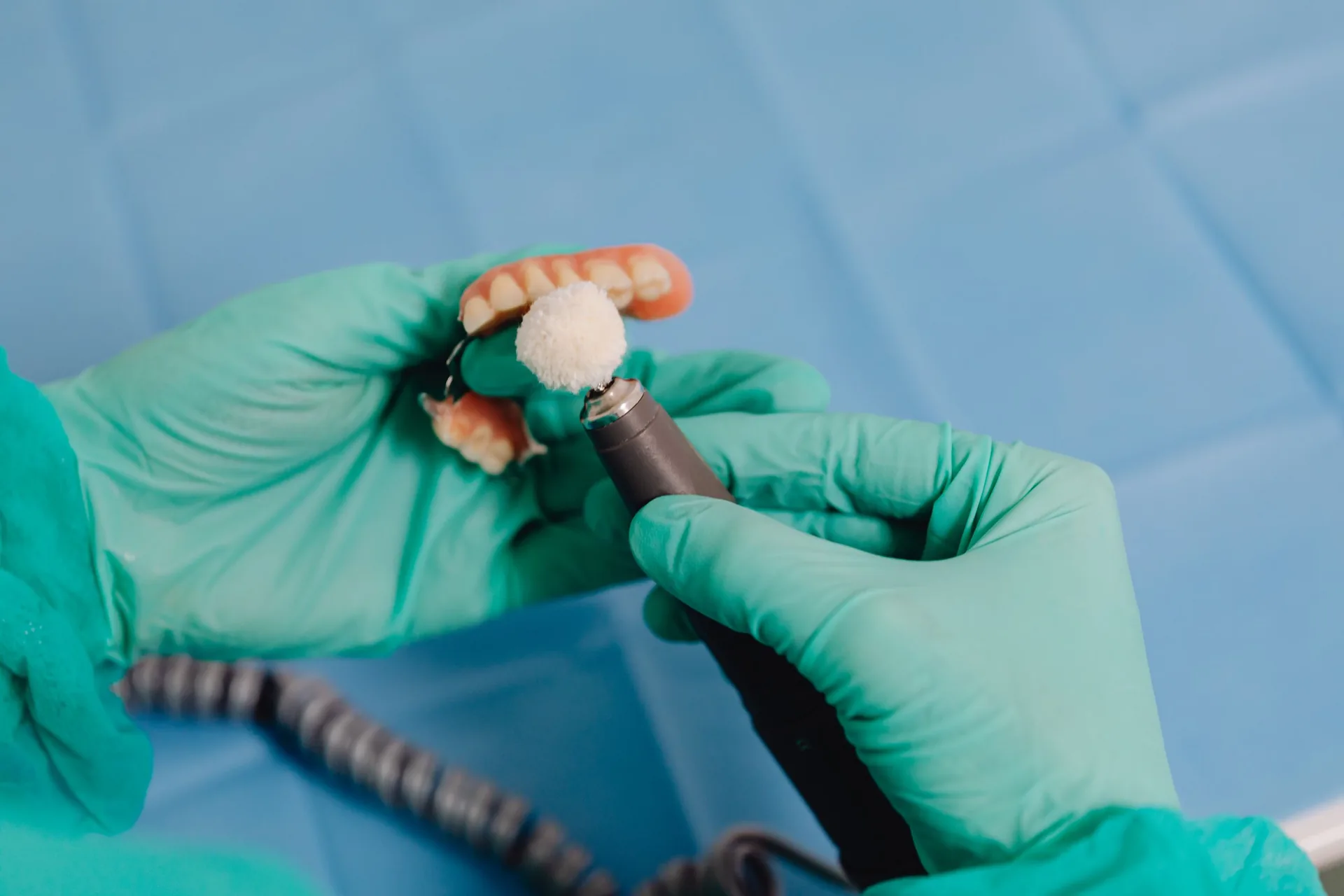
Denture Reline and Repair
Dentures can change in fit or become damaged with everyday use.
Dentures can change in fit or become damaged with everyday use. When this happens, a denture reline or repair may sometimes be considered, depending on the condition of the appliance and the changes that have occurred.
A reline involves modifying the fitting surface of an existing denture to reflect changes in the tissues supporting it. A repair involves addressing certain types of damage to the denture, such as a fracture or other break.
At GreenTree Dental & Implant Clinic, your dentist can examine your denture and your mouth to determine what may be causing the problem and whether a reline, repair, replacement or another option is appropriate.
What Is a Denture Reline?
A denture reline involves adding or modifying material on the fitting surface of an existing denture to improve how it corresponds with the tissues supporting it.
The shape of the mouth can change over time, which may affect the fit of a denture. A denture that once fitted well may become less secure or feel different during use.
A reline may be considered when the existing denture remains suitable in other respects but its fitting surface needs modification.
However, a reline is not appropriate for every loose or poorly fitting denture. The overall condition, age, design and function of the appliance need to be assessed first.
What Is a Denture Repair?
A denture repair involves addressing certain forms of damage to an existing appliance.
Damage can occur for a variety of reasons, including accidental dropping, everyday use or changes affecting the denture. The type of repair required depends on the nature and extent of the damage.
Examples may include certain fractures, breaks or damage to components of a denture. Whether a repair is possible depends on the appliance and the damage involved.
Your dentist can examine the denture and explain whether it can be repaired or whether replacement may be more appropriate.
What Is the Difference Between a Reline and a Repair?
Although both involve an existing denture, they address different problems.
A reline primarily concerns the surface of the denture that sits against the tissues in your mouth. It may be considered when changes in the mouth have affected the fit of an otherwise suitable appliance.
A repair addresses damage to the denture itself, such as a break or fracture where repair is considered possible.
In some situations, an appliance may have both a fit issue and physical damage. Your dentist will assess the denture as a whole before deciding what treatment may be appropriate.
If the denture is significantly worn, damaged or no longer suitable, replacing it may need to be considered instead.
Why Might a Denture Need a Reline?
Your mouth is not completely unchanged after a denture has been made. The tissues supporting the appliance can alter over time, which may affect the relationship between the denture and your mouth.
You may notice changes such as:
- The denture feeling less secure
- Increased movement while speaking or eating
- Changes in how the denture contacts the mouth
- Areas of rubbing or irritation
- A change in how the denture feels compared with when it was first fitted
These symptoms do not necessarily mean that a reline is required. A dental assessment is needed to identify the underlying issue.
Your dentist will consider the fit of the appliance and its overall condition before recommending a reline.
Why Might a Denture Need Repair?
A denture can become damaged through accidental impact, everyday handling or normal use.
You may notice:
- A visible crack or fracture
- A broken section of the denture
- Damage to an artificial tooth
- A component becoming detached
- Difficulty inserting or removing the appliance following damage
A damaged denture should be assessed rather than repaired at home. Household adhesives and other DIY repair methods may interfere with the materials used in the denture and can make professional repair more difficult.
Your dentist can inspect the damage and advise whether a repair is possible.
What Happens During a Denture Assessment?
Your dentist will examine both your mouth and the denture.
The assessment may consider:
- The condition of the denture
- Its fit and stability
- The fitting surface
- Any cracks, fractures or damaged components
- The condition of the tissues underneath the denture
- Changes in your mouth since the denture was made
- The relationship between the denture and opposing teeth or another denture
- Whether the existing appliance remains suitable
The assessment helps determine whether the problem is related to the fit, physical damage or another factor.
Your dentist can then explain the available options, which may include a reline, repair, replacement or another form of treatment.
What Happens During a Denture Reline?
If a reline is considered suitable, the fitting surface of the denture is modified to correspond more closely with the current shape of the supporting tissues.
Depending on the type of reline and the treatment plan, the process may involve taking an impression using the existing denture before the appliance is modified.
The denture may require laboratory processing before it is returned for fitting. Your dentist will check the modified appliance and assess its fit in your mouth.
The exact process can vary depending on the denture and the type of reline being carried out.
What Happens During a Denture Repair?
The repair process depends on the type and extent of damage.
Your dentist will first examine the appliance and determine whether repair is feasible. If a repair is appropriate, the denture may need to be sent to a dental laboratory or undergo a specific repair procedure.
Once the work has been completed, the appliance can be assessed to ensure that the repaired area and overall fit are appropriate.
If the damage has resulted in changes to the way the denture fits or functions, your dentist may recommend additional assessment or discuss whether a replacement appliance should be considered.
How Should You Look After Your Denture After a Reline or Repair?
Your dentist will provide care instructions based on your particular appliance and the work carried out.
General denture care may include:
- Cleaning the denture regularly using the recommended method
- Cleaning your gums, tongue and any remaining natural teeth
- Handling the appliance carefully during removal and insertion
- Storing the denture as advised when it is not being worn
- Using suitable denture-cleaning products
- Avoiding attempts to repair or modify the appliance yourself
- Attending regular dental reviews
- Contacting your dental team if problems with fit or damage return
If you have natural teeth remaining, these should continue to receive regular brushing and dental care.
When Might a New Denture Be More Appropriate?
A repair or reline is not always the most suitable solution. An existing denture may have significant wear, damage or changes in fit that make continued modification unsuitable.
Your dentist will consider the condition and age of the appliance, your oral health and how the denture functions before recommending the next step.
If a replacement is more appropriate, your dentist can explain the available options and discuss the process involved.
Frequently Asked Questions
How Do I Know If My Denture Needs a Reline or a Repair?
A reline is generally considered when the fitting surface of an existing denture needs to be modified because of changes in the supporting tissues. A repair is used to address certain forms of physical damage to the appliance. However, symptoms such as looseness or discomfort can have different causes. Your dentist should examine the denture and your mouth before determining which option is appropriate.
Can a Loose Denture Always Be Relined?
Not necessarily. A loose denture may be affected by changes in the mouth, wear, damage or other factors. A reline may be appropriate in some circumstances, but the overall condition and design of the denture need to be considered first. Your dentist can assess the appliance and explain whether a reline, adjustment, replacement or another option may be suitable.
Can I Repair My Denture at Home If It Breaks?
It is best not to attempt a DIY denture repair. Household adhesives and other products may damage the appliance or interfere with professional repair. If your denture breaks or develops a crack, keep the pieces safely and contact your dental team. Your dentist can examine the appliance and advise whether it can be repaired or whether another option should be considered.
How Often Does a Denture Need to Be Relined?
There is no fixed interval that applies to everyone. The need for a reline depends on factors such as changes in the tissues supporting the denture, the condition of the appliance and how well it continues to fit. Regular dental reviews allow your dentist to assess your denture and determine whether a reline or another treatment may be appropriate.
Can a Damaged Denture Be Repaired If It Is Old?
An older denture may sometimes be repairable, but age alone does not determine whether repair is appropriate. Your dentist will consider the extent of the damage, the condition of the appliance, its fit and how it functions. If the denture is significantly worn or no longer suitable, your dentist may discuss replacement rather than further repair.
Denture Reline and Repair at GreenTree Dental & Implant Clinic
GreenTree Dental & Implant Clinic provides denture assessment and treatment for patients experiencing changes in fit or damage to an existing appliance. Whether you are experiencing a loose denture, a damaged appliance, discomfort or another change, an assessment can help identify the issue. Your dentist can then discuss whether a reline, repair, replacement or another treatment option may be appropriate. If your denture no longer fits as expected or has become damaged, contact GreenTree Dental & Implant Clinic to arrange an assessment and discuss your options.
Ready for a Healthier, Happier Smile?
Book today and spread the cost of your treatment with 0% APR finance.
Subject to status. UK residents aged 18+. Minimum and maximum spend applies. T&Cs apply.


Contact Us
Have a question or ready to book your consultation? Our friendly reception team is here to help.
Opening Hours
Send Us a Message
We usually reply within one working day.
Visit Us
GreenTree Dental & Implant Clinic
31 Hyde Road, Paignton, Devon TQ4 5BP
Call Us
01803 559028Opening Hours
Monday to Friday: 8:30am–5:30pm
Saturday and Sunday: Closed


