
 Call Us 01803 559028



Close ✕
Treatments
Dental Implants
General Dentistry
Dental Sedation
Teeth Whitening
Braces & Clear Aligners
Crowns, Bridges & Veneers
Root Canal Treatment
Extractions & Wisdom Teeth
Dentures
Your Visit
First Visit
Emergency Dentist
Toothache, swelling or a broken tooth? Call 01803 559028.
Emergency, New Patients →Emergency, Existing Patients →Payment Information
Our Policies

Extractions & Wisdom Teeth
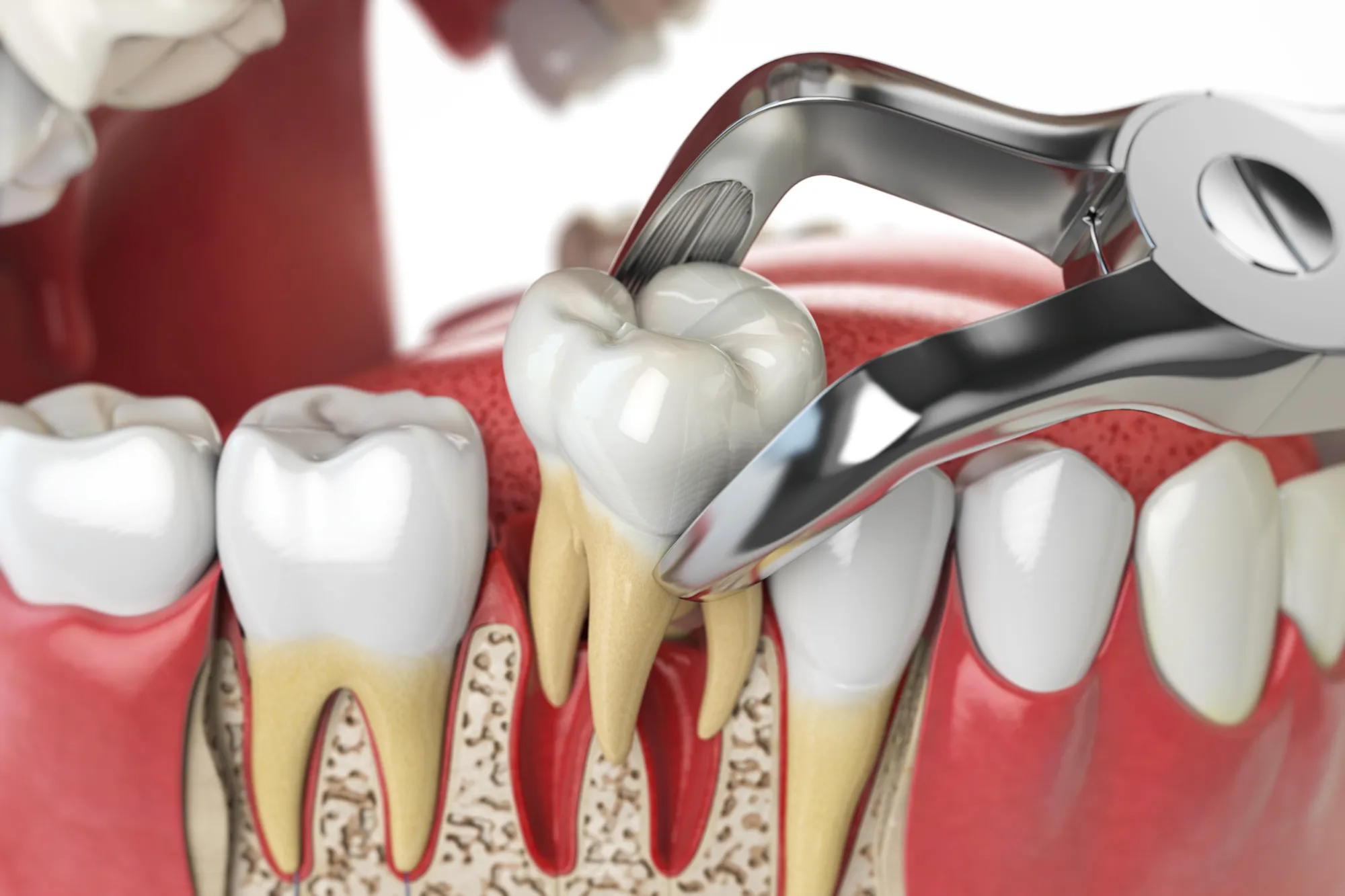
When removing a tooth may be appropriate, your dentist will assess the tooth and discuss the available options with you before treatment.
Keeping your natural teeth is generally an important part of maintaining your oral health, but there are circumstances where removing a tooth may need to be considered. The decision to extract is based on an individual assessment of the tooth, the surrounding tissues and your overall dental circumstances.
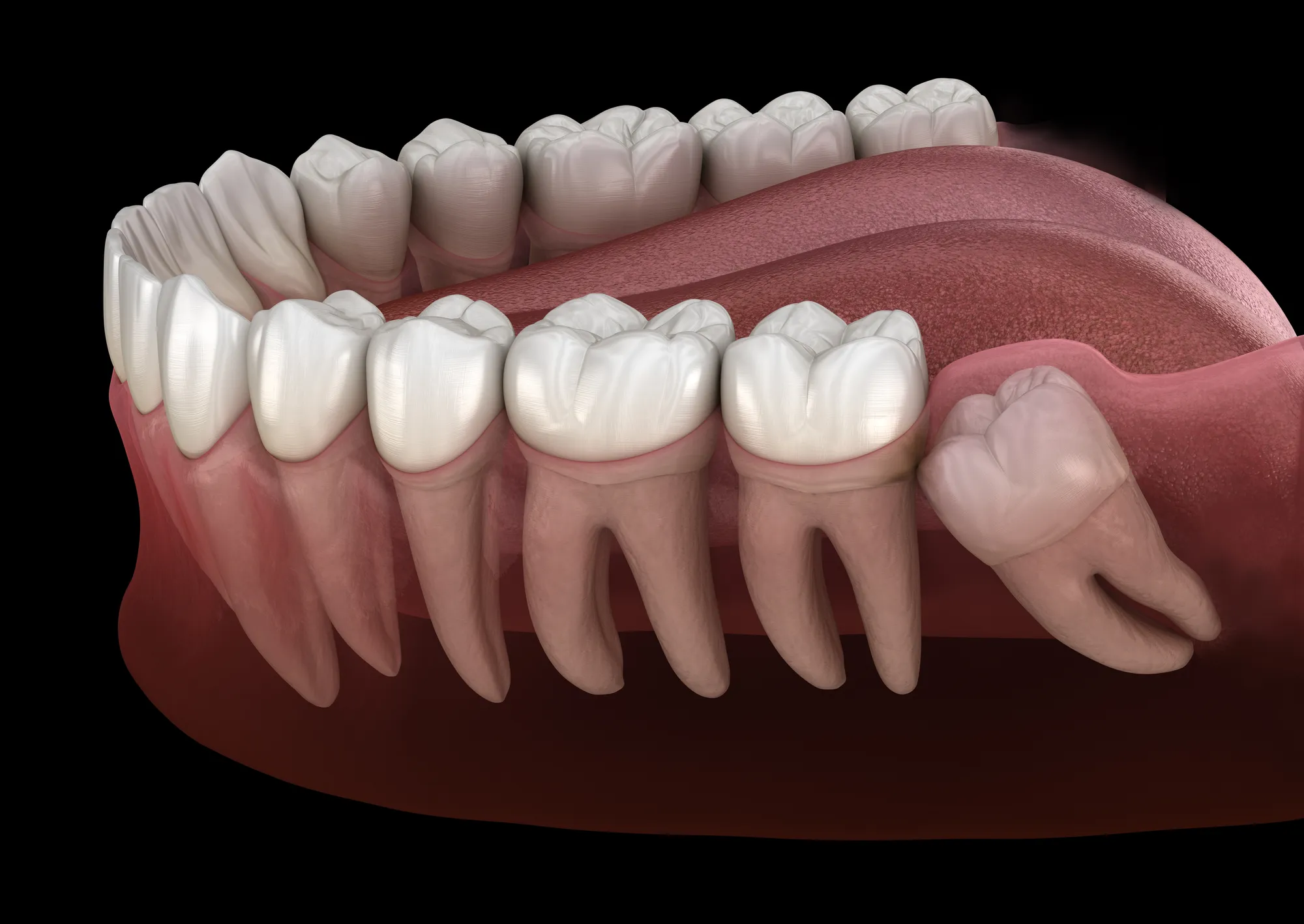
Depending on the tooth, removal may involve a routine, complex or surgical extraction. Having a wisdom tooth does not automatically mean that it needs to be removed; your dentist can assess whether monitoring or removal may be appropriate.
Why a Tooth May Need to Be Removed
Common reasons a dentist may discuss extraction include:
- Extensive decay that cannot be restored
- Advanced gum disease affecting the supporting tissues
- Severe infection or abscess
- Dental trauma or a fractured tooth
- Crowding, where a tooth is affecting orthodontic treatment
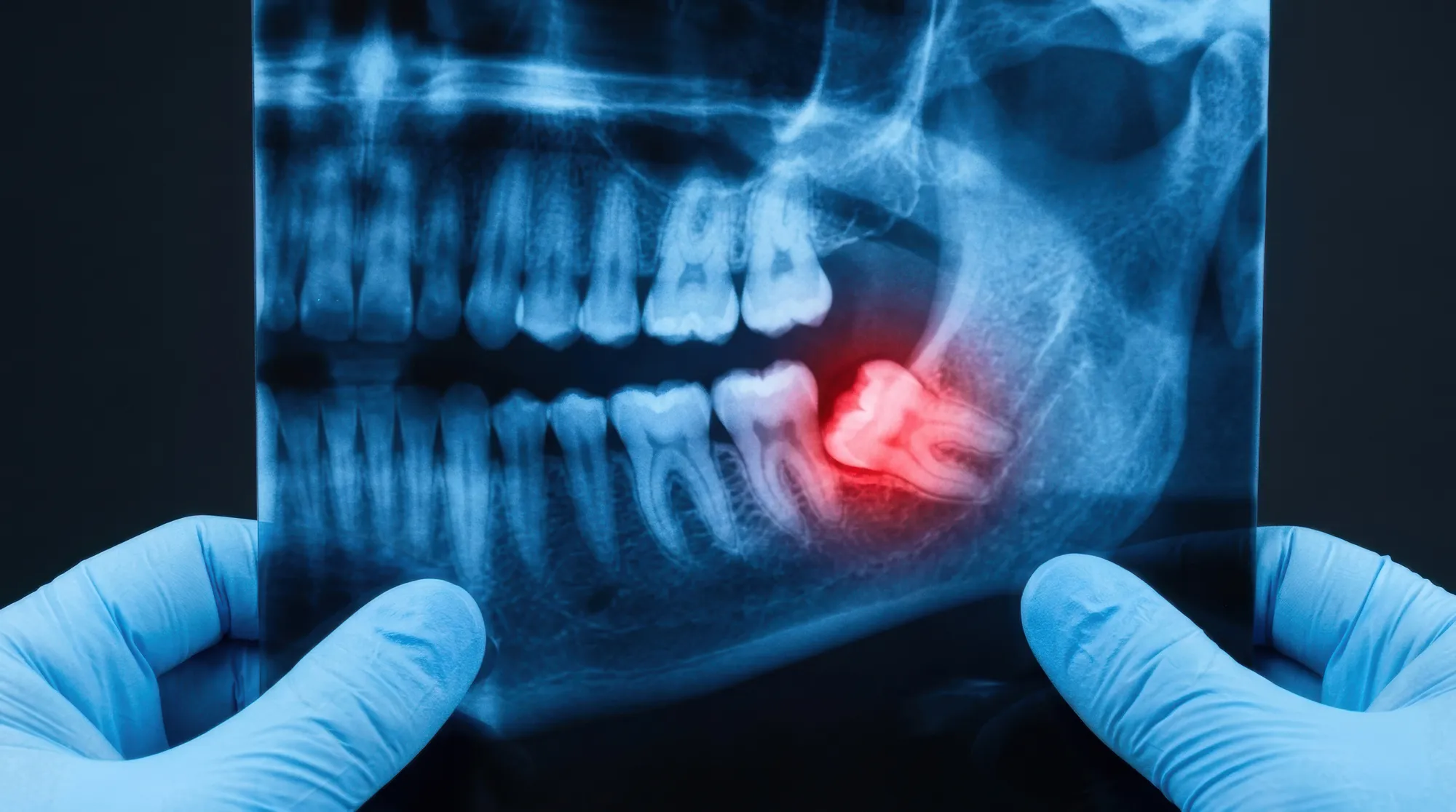
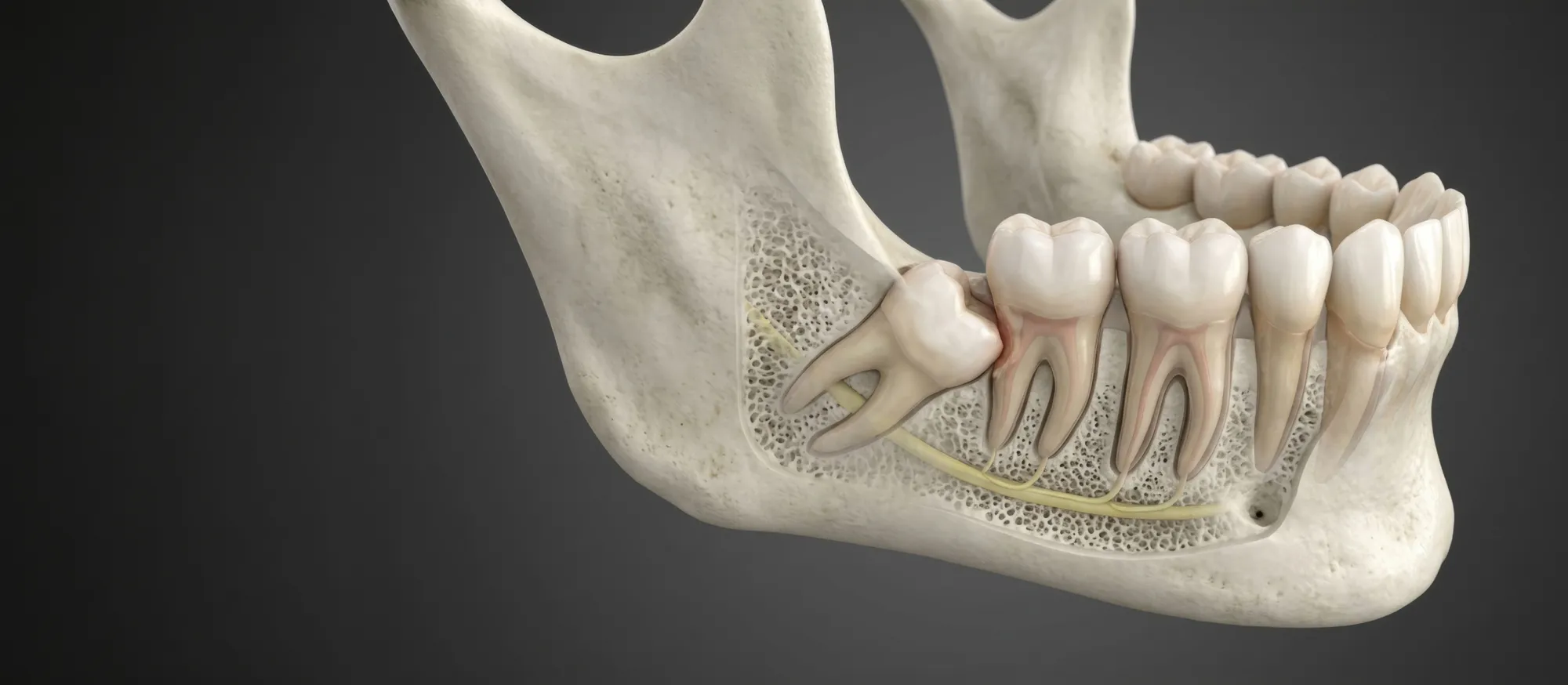
- An impacted or problematic wisdom tooth
Types of Extraction We Provide
We assess each case individually before recommending an approach:
- Tooth Extraction, for a straightforward, routine removal
- Complex Tooth Extraction, where the tooth or root structure requires additional care
- Surgical Tooth Extraction, used when a tooth cannot be removed by routine methods
- Wisdom Tooth Extraction, for impacted or problematic third molars
What to Expect
Your appointment will usually begin with a clinical examination and, where necessary, dental X-rays to assess the position of the tooth and its roots. Your dentist will explain the proposed procedure, discuss anaesthetic options and answer any questions before treatment begins.
Aftercare Following an Extraction
Following removal, you will be given guidance on looking after the area while it heals, including advice on eating, oral hygiene and managing any discomfort. Most patients recover within a few days, although healing times can vary depending on the complexity of the extraction. Your dentist will also discuss whether the space left by the missing tooth needs to be considered for future replacement, such as a bridge, denture or implant.
If you are experiencing pain or have been advised that a tooth may need removing, contact GreenTree Dental & Implant Clinic to arrange an assessment.
Common Questions About Tooth Extractions
Will I Be in Pain During the Extraction?
Local anaesthetic is used to numb the area before a routine or surgical extraction, so you should not feel pain during the procedure itself, although some pressure may be noticeable.
How Long Does Recovery Take?
Recovery time varies depending on the complexity of the extraction. Simple extractions often settle within a few days, while surgical or complex extractions may take a little longer to heal fully.
Do All Wisdom Teeth Need to Be Removed?
No. Many wisdom teeth cause no problems and can simply be monitored. Removal is generally only recommended where a wisdom tooth is impacted, causing pain or at risk of further complications.

Get in touch
Contact Us
Have a question or ready to book your consultation? Our friendly reception team is here to help.
Call reception
01803 559028
Opening Hours
Monday – Friday
8:30am – 5:30pm
Saturday – Sunday
Closed
Send Us a Message
We usually reply within one working day.
Ready for a Healthier, Happier Smile?
Book today and spread the cost of your treatment with 0% APR finance.
Subject to status. UK residents aged 18+. Minimum and maximum spend applies. T&Cs apply.


Visit Us
GreenTree Dental & Implant Clinic
31 Hyde Road, Paignton, Devon TQ4 5BP
Call Us
01803 559028Opening Hours
Monday to Friday: 8:30am–5:30pm
Saturday and Sunday: Closed


