

 Call Us 01803 559028


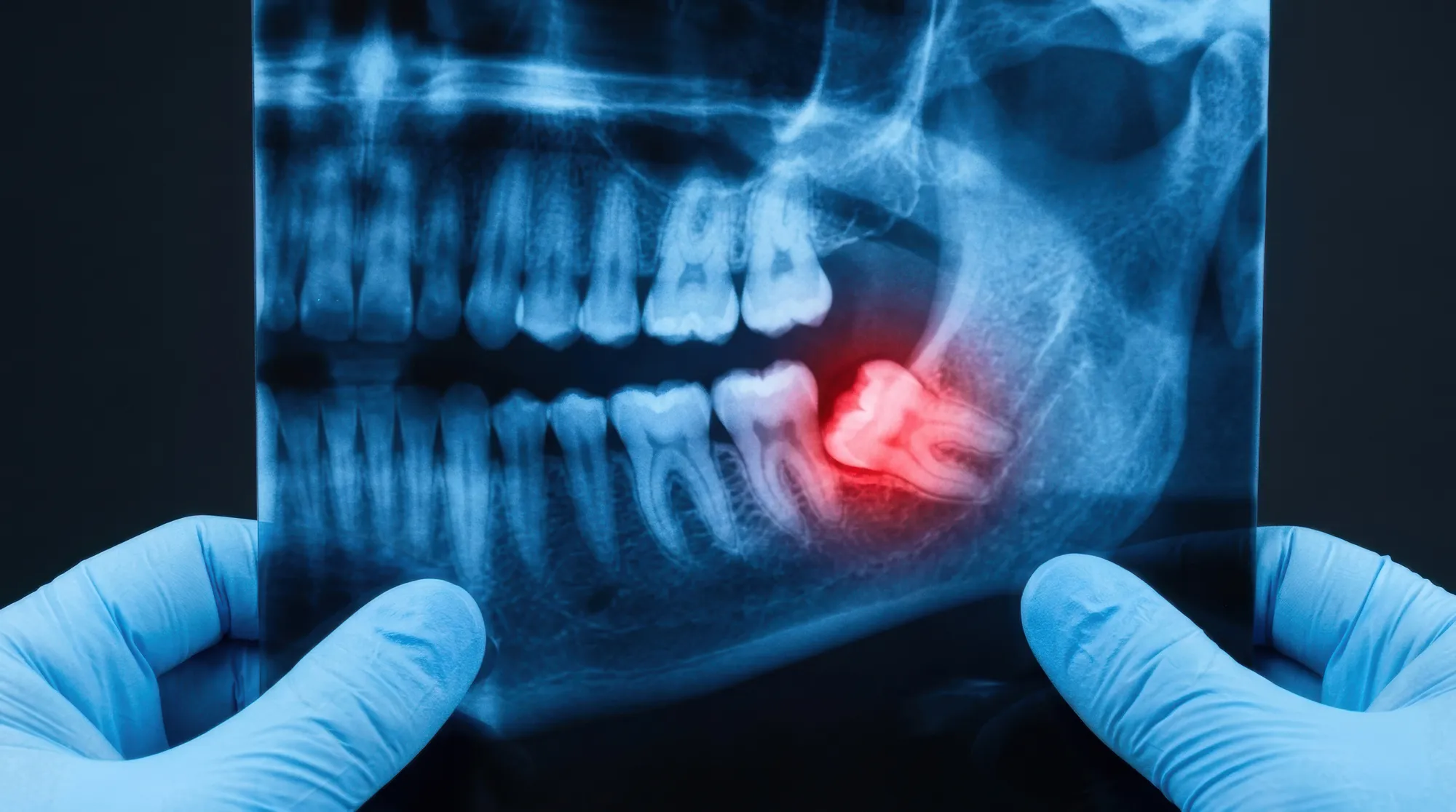
Complex Tooth Extraction
Some teeth are more difficult to remove than others because of their position, shape, root structure or condition.
Some teeth are more difficult to remove than others because of their position, shape, root structure or condition. When an extraction presents additional technical considerations, your dentist may describe it as a complex extraction.
A complex extraction does not necessarily mean that a surgical procedure will be required. The approach depends on the individual tooth and what your dentist finds during assessment.
Before treatment, your dentist can examine the tooth, review appropriate X-rays where needed and consider factors that may affect how the extraction is planned. This allows the procedure to be approached according to the particular circumstances rather than using the same technique for every tooth.
What Can Make an Extraction More Complex?
Several factors can affect the difficulty of removing a tooth.
These may include:
- A tooth with an unusual root shape
- Roots that are curved or separated
- A tooth that has fractured or broken down
- Extensive decay that makes the tooth difficult to grip
- A tooth that has previously received extensive dental treatment
- Limited access to the tooth
- A tooth that is positioned in a way that makes removal more technically demanding
The presence of one of these factors does not automatically determine how the extraction will be performed. Your dentist will assess the tooth individually.
Why Is Assessment Important for a Complex Extraction?
A detailed assessment can help your dentist understand the tooth's position and surrounding structures before treatment.
Depending on the situation, an X-ray may be recommended. This can provide information about the roots, surrounding bone and nearby anatomical structures.
Your dentist may also discuss your dental and medical history, including any medicines you take or previous difficulties with dental treatment.
Based on the assessment, your dentist can explain the proposed approach and whether referral to another dental professional may need to be considered.
How Is a Complex Extraction Performed?
The technique used depends on the tooth.
Some complex teeth can still be removed using instruments similar to those used for a routine extraction, although additional care or different techniques may be required.
In other cases, the tooth may need to be divided into sections or access to the tooth may need to be improved. If an extraction requires an incision or removal of a small amount of surrounding bone, it may instead be considered a surgical extraction.
Your dentist will explain the planned approach before treatment.
What Should I Expect During Recovery?
Recovery following a complex extraction can vary according to the tooth and the technique used.
Tenderness, swelling and sensitivity around the extraction site may occur. Your dental team will give you instructions about caring for the area and explain when you should seek further advice.
Following the recommended aftercare can help you look after the extraction site while it heals.
What If the Tooth Cannot Be Removed in One Piece?
A tooth does not always need to be removed as a single piece. Depending on its condition and position, dividing the tooth into sections may make it possible to remove it in a controlled manner.
This does not necessarily mean that something has gone wrong during treatment. The technique is selected according to the individual tooth.
Your dentist can explain beforehand if this approach is likely to be considered based on the assessment and X-rays.
Is Complex Extraction the Same as Surgical Extraction?
Not necessarily.
“Complex extraction” describes an extraction that presents additional difficulty or planning considerations. A surgical extraction refers to a procedure that involves a surgical approach to gain access to or remove the tooth.
There can be some overlap between the two terms, but they are not interchangeable in every situation.
Your dentist can explain which type of procedure is being proposed for your particular tooth.
Frequently Asked Questions
What Makes a Tooth Extraction Complex?
An extraction may be considered complex when factors such as the tooth's position, root shape, condition or access make removal more technically demanding. A heavily broken-down tooth or one with unusual roots may require a different approach from a straightforward extraction. Your dentist can assess the tooth and use appropriate X-rays where indicated to help plan treatment.
Does a Complex Extraction Always Require Surgery?
No. A complex extraction does not automatically require a surgical approach. Depending on the tooth, it may be possible to remove it using non-surgical extraction techniques, although additional instruments or techniques may be required. If an incision or other surgical access is needed, the procedure may be classified as a surgical extraction. Your dentist can explain the approach planned for your individual circumstances.
Will I Need an X-Ray Before a Complex Extraction?
Your dentist may recommend an X-ray when it is clinically appropriate. Imaging can provide information about the tooth's roots, surrounding bone and nearby structures that may be relevant to treatment planning. The need for an X-ray depends on the tooth and your individual circumstances. Your dentist will explain whether imaging is recommended before proceeding.
Can a Broken Tooth Still Be Extracted?
A broken tooth may still be removable, but the approach can depend on how much of the tooth remains, its condition and the shape and position of its roots. A tooth that has broken below the gum line or has extensive decay may require a more involved technique. Your dentist can examine the tooth and explain whether extraction is appropriate and how it may be approached.
What Happens If My Dentist Cannot Remove the Tooth Using a Routine Technique?
If the tooth proves more difficult to remove than initially expected, your dentist can reassess the situation and consider an appropriate technique. This may involve changing the method of extraction or considering a surgical approach. In some circumstances, referral to another dental professional may be recommended. Your dental team can explain the options based on the findings during assessment and treatment.
Complex Tooth Extraction at GreenTree Dental & Implant Clinic
If you have been advised that your tooth may require a complex extraction, GreenTree Dental & Implant Clinic can assess your tooth and discuss the proposed treatment with you. Your dentist can explain the factors that make the extraction more involved, the approach that may be used and any relevant alternatives or referral options.
Ready for a Healthier, Happier Smile?
Book today and spread the cost of your treatment with 0% APR finance.
Subject to status. UK residents aged 18+. Minimum and maximum spend applies. T&Cs apply.


Contact Us
Have a question or ready to book your consultation? Our friendly reception team is here to help.
Opening Hours
Send Us a Message
We usually reply within one working day.
Visit Us
GreenTree Dental & Implant Clinic
31 Hyde Road, Paignton, Devon TQ4 5BP
Call Us
01803 559028Opening Hours
Monday to Friday: 8:30am–5:30pm
Saturday and Sunday: Closed


