 Call Us 01803 559028


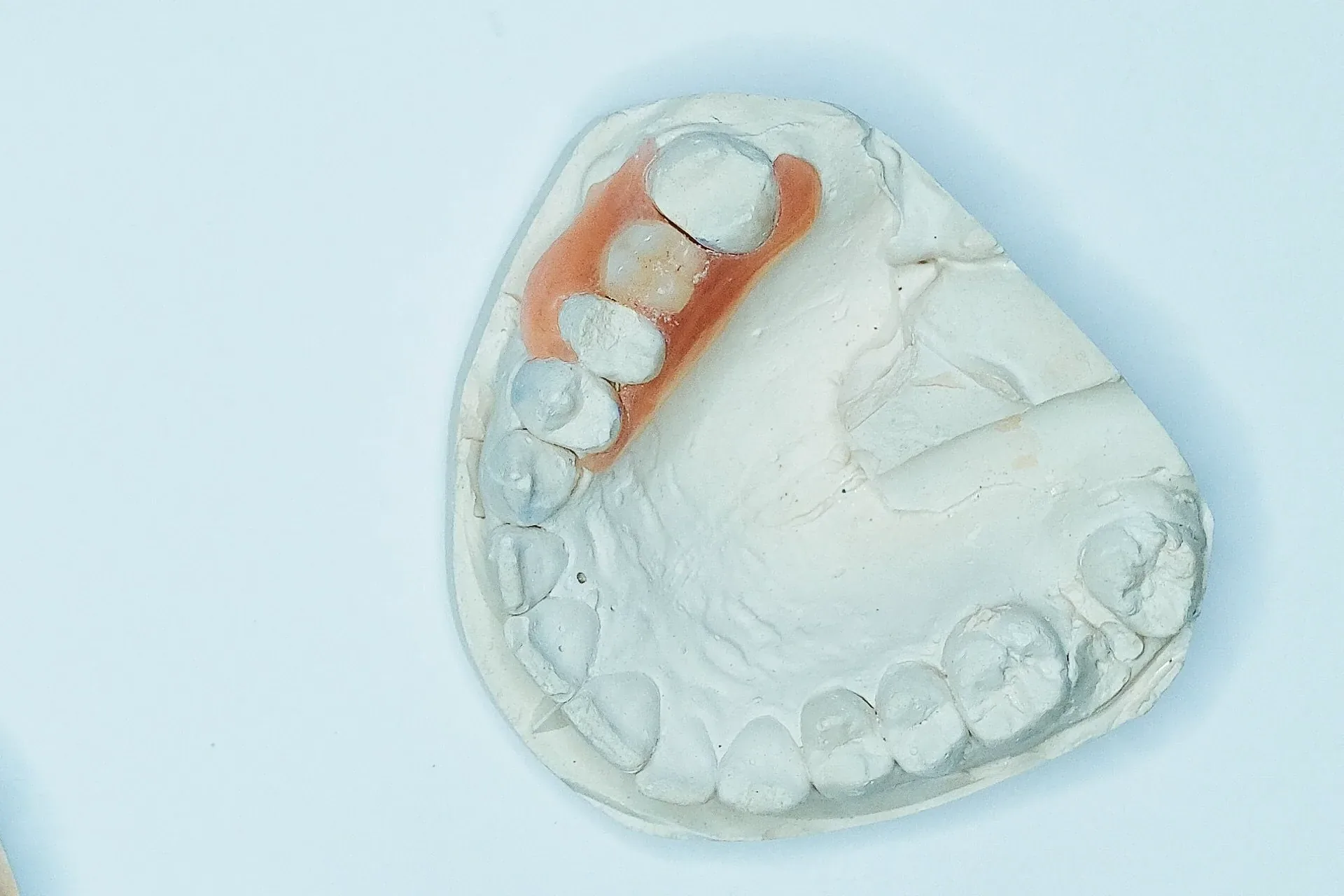
Flexible Partial Dentures
A flexible partial denture is made from a flexible denture material and is designed to fit around the remaining teeth and oral tissues.
If you have lost some of your natural teeth, a removable partial denture may be one option for replacing the missing teeth. A flexible partial denture is made from a flexible denture material and is designed to fit around the remaining teeth and oral tissues.
The material and design of a flexible denture differ from those used for conventional acrylic or chrome partial dentures. In some cases, this may make a flexible option worth discussing, particularly where the appearance of conventional metal components is a consideration.
However, a flexible partial denture is not appropriate for every situation. Your dentist will consider the location and number of missing teeth, the condition of your remaining teeth and gums, your bite and the support available for the appliance before discussing whether this option may be suitable.
At GreenTree Dental & Implant Clinic, we can assess your individual needs and explain the available options for replacing missing teeth.
What Is a Flexible Partial Denture?
A flexible partial denture is a removable dental appliance used to replace some missing teeth while other natural teeth remain.
It consists of replacement teeth attached to a flexible denture base. Depending on the design, flexible areas may extend around or near some of the remaining teeth to help retain the appliance.
Unlike a fixed dental bridge, a partial denture can be removed from the mouth. This allows the appliance and the remaining teeth to be cleaned separately as part of your usual oral hygiene routine.
Flexible partial dentures are one of several types of removable partial dentures. The most appropriate type depends on your individual dental circumstances.
How Is a Flexible Denture Different?
The main difference is the material used to make the denture.
Conventional partial dentures may use acrylic or a metal framework, while flexible partial dentures use a flexible thermoplastic material. Some flexible materials are designed to provide areas of retention without the conventional metal clasping used in certain chrome dentures.
This difference can affect the way the appliance is designed and handled. It may also influence factors such as adjustment and maintenance.
A flexible material should not be viewed as automatically better than another denture material. Acrylic, chrome and flexible dentures each have different characteristics, and your dentist can discuss which options may be appropriate for your particular needs.
When Might a Flexible Partial Denture Be Considered?
A flexible partial denture may be considered when some natural teeth remain and one or more teeth need replacing.
During an assessment, your dentist may look at:
- The number and position of missing teeth
- The condition of the remaining teeth
- The health of your gums and supporting tissues
- Your bite and how your teeth meet
- The amount of space available for replacement teeth
- How the proposed denture could be supported and retained
- Your oral hygiene routine
- Your preferences regarding the type of appliance
These factors can help your dentist determine whether a flexible partial denture may be appropriate or whether another option should be considered.
Could a Flexible Denture Be an Option If I Am Concerned About Metal?
The appearance of a partial denture can be an important consideration for some patients.
Some chrome partial dentures use metal clasps around the remaining teeth. Depending on the design, flexible dentures may use tooth-coloured or tissue-coloured components instead.
Whether this is appropriate depends on the position of the missing teeth, the remaining teeth and the design required for your mouth.
If avoiding visible metal is important to you, mention this during your consultation. Your dentist can explain whether a flexible design may be suitable and discuss any relevant alternatives.
What Are the Limitations of Flexible Dentures?
It is useful to consider the limitations as well as the characteristics of a flexible denture.
The flexibility of the material can affect how the appliance is designed and supported. In some cases, another type of partial denture may provide a more appropriate design for the particular pattern of tooth loss.
Flexible dentures can also have different maintenance and adjustment requirements from conventional acrylic dentures. Depending on the material and design, modifications or repairs may not always be straightforward.
For this reason, choosing a flexible denture should involve an assessment of your individual circumstances rather than being based on the material alone.
Can a Flexible Denture Replace Several Missing Teeth?
A flexible partial denture may be designed to replace more than one missing tooth in suitable cases.
However, there is no single number of missing teeth that determines whether this type of denture is appropriate. The position of the gaps and the condition and location of the remaining teeth are also important.
For example, replacing several teeth in one area may involve different design considerations from replacing teeth in several separate areas.
Your dentist can assess your particular pattern of tooth loss and explain which removable or fixed options may be available.
What Happens Before a Flexible Denture Is Made?
Your dentist will first assess your mouth and discuss your tooth replacement needs.
They may examine your remaining teeth and gums and assess your bite. Impressions or digital records may also be required to provide information for planning and manufacturing the denture.
Your dentist can then discuss the proposed design and explain the material options that may be suitable.
If a flexible partial denture is chosen, the relevant records are provided to the dental laboratory so the appliance can be made according to the planned design.
What Is the Fitting Appointment Like?
When the denture is ready, your dentist will place it in your mouth and assess the fit and position.
They may check how it sits around the remaining teeth and tissues and how it interacts with your bite. Adjustments may be needed if there are areas that require modification.
A new denture can feel unfamiliar initially. You may need some time to become accustomed to speaking and eating with the appliance.
If you experience ongoing discomfort or have difficulty using the denture, contact your dental team for an assessment rather than trying to alter it yourself.
How Should I Look After a Flexible Partial Denture?
Your flexible denture needs regular care, along with the natural teeth and gums that remain in your mouth.
Your dental team can provide instructions appropriate for the material used in your appliance. In general, you should:
- Clean the denture as advised
- Continue brushing your natural teeth regularly
- Clean around the remaining teeth and gums carefully
- Handle the appliance gently when removing and inserting it
- Follow the instructions provided about wearing and storing the denture
- Attend dental reviews as recommended
- Contact your dentist if the denture becomes damaged or its fit changes
Avoid using household adhesives or attempting to bend, cut or reshape the appliance yourself.
Can a Flexible Denture Be Adjusted or Repaired?
The possibility of adjusting or repairing a flexible denture depends on the material, its design and the nature of the problem.
Some changes may be more difficult to make than they would be with certain conventional acrylic dentures. If your denture becomes damaged, develops a change in fit or no longer feels comfortable, your dentist can examine it and advise whether an adjustment, repair or replacement may be appropriate.
Changes in your mouth can also affect the way a removable denture fits over time. Regular dental appointments provide an opportunity to check both the appliance and the remaining teeth.
Is a Flexible Partial Denture Right for Me?
A flexible partial denture may be one option for replacing missing teeth, but it is not suitable for every patient.
Your dentist can consider the pattern of tooth loss, the condition of your remaining teeth and gums, your bite and the design requirements of the appliance. They can then explain whether a flexible partial denture may be appropriate or whether another option should be considered.
Depending on your circumstances, alternatives may include an acrylic partial denture, chrome partial denture, dental bridge or implant-based tooth replacement.
The decision can be made after discussing the available options and considering what is appropriate for your individual needs.
Frequently Asked Questions
What Is a Partial Flexible Denture?
A partial flexible denture is a removable appliance designed to replace some missing teeth while other natural teeth remain. It uses a flexible denture material rather than the conventional acrylic base or metal framework found in some other types of partial dentures. The appliance is designed around your remaining teeth and oral tissues. Whether a flexible denture is appropriate depends on your individual circumstances, including the location of the missing teeth, the condition of your remaining teeth and your bite.
Is a Flexible Partial Denture Suitable for Everyone?
No single type of partial denture is suitable for every patient. A flexible partial denture may be considered where the material and proposed design are appropriate for the individual's pattern of tooth loss and remaining oral structures. Your dentist may assess your teeth, gums, bite and the available support for the appliance before making a recommendation. If a flexible denture is not considered appropriate, other options, such as an acrylic or chrome partial denture, bridge or implant-based treatment, may be discussed.
Can a Flexible Denture Replace Several Missing Teeth?
A flexible partial denture may be designed to replace several missing teeth in some circumstances. However, the number of missing teeth alone does not determine whether this type of appliance is appropriate. The location of the gaps, the condition and position of the remaining teeth, your bite and the support available for the denture may all need to be considered. Your dentist can assess your particular situation and explain which tooth replacement options may be suitable.
Can a Flexible Partial Denture Be Repaired or Relined?
This depends on the material and design of the denture and the nature of the problem. Some flexible denture materials can be more difficult to modify than conventional acrylic materials. If the appliance becomes damaged or its fit changes, your dentist can assess it and advise whether an adjustment, repair, replacement or another option may be appropriate. It is best not to attempt repairs or modifications at home, as these could affect the fit or function of the appliance.
How Should I Care for My Flexible Partial Denture?
Your dentist will provide cleaning and care instructions based on the material and design of your denture. You should also continue to clean your remaining natural teeth and gums regularly. Handle the appliance carefully when removing or inserting it and follow any instructions about storage and wearing. Avoid using unapproved cleaning products or attempting to reshape the denture yourself. If you notice discomfort, damage or a change in fit, contact your dental team so the appliance can be assessed.
Partial Flexible Dentures at GreenTree Dental & Implant Clinic
If you are missing some of your natural teeth and are considering a removable partial denture, GreenTree Dental & Implant Clinic can assess your oral health and discuss the available options with you. If a flexible partial denture may be suitable for your circumstances, your dentist can explain how it would be designed and what care it would require. If another type of denture or tooth replacement option may be more appropriate, this can also be discussed as part of your treatment planning.
Ready for a Healthier, Happier Smile?
Book today and spread the cost of your treatment with 0% APR finance.
Subject to status. UK residents aged 18+. Minimum and maximum spend applies. T&Cs apply.

Contact Us
Have a question or ready to book your consultation? Our friendly reception team is here to help.
Opening Hours
Send Us a Message
We usually reply within one working day.
Visit Us
GreenTree Dental & Implant Clinic
31 Hyde Road, Paignton, Devon TQ4 5BP
Call Us
01803 559028Opening Hours
Monday to Friday: 8:30am–5:30pm
Saturday and Sunday: Closed


